
Mexico Invisalign Prices: 2025 Cost Guide (Save 70%)
Table of Contents
- Invisalign Cost in Mexico vs. The US: A Price Comparison
- City-by-City Guide to Invisalign Cost in Mexico
- Why is Getting Invisalign in Mexico So Affordable?
- The Invisalign Treatment Process in Mexico: What to Expect
- Invisalign vs. Traditional Braces: Which Orthodontics Treatment is Right for You?
- How to Find the Best Certified Invisalign Provider in Mexico
- Frequently Asked Questions
Discover how you can achieve a perfect smile for a fraction of the cost. This guide breaks down the 2025 Invisalign prices in Mexico, showing you how to save up to 70% compared to US costs. We'll explore city-by-city pricing, explain the treatment process, and guide you on finding a top-tier, certified Invisalign provider for your dental journey.
Invisalign Cost in Mexico vs. The US: A Price Comparison
The price difference between getting Invisalign in Mexico versus the United States is substantial and immediately noticeable.
When you compare the numbers side by side, the savings become crystal clear. American and Canadian patients typically pay between $4,000 and $7,000 for Invisalign treatment. In Mexico, that same orthodontic treatment costs between $1,800 and $3,350.
This translates to potential savings of 50-70% on the exact same brand-name clear aligners. You're receiving identical Invisalign products and technology, just at a fraction of the price. The treatment plan is created using the same digital software, and the aligners are manufactured by Align Technology, the company that produces Invisalign worldwide.
Many patients wonder if they're truly getting the same quality. The answer is yes. The only difference is where you receive your dental care, not what you receive.
Post-Treatment Costs to Consider
After completing your Invisalign treatment, you'll need retainers to maintain your new smile.
Vivera retainers are the gold standard for post-treatment maintenance. These retainers are 30% stronger than other types and help ensure your teeth stay in their newly corrected positions. In Mexico, you can expect to pay approximately $950 for three sets of Vivera retainers.
This is another area where significant savings add up. The same retainers in the United States often cost double or triple this amount.
City-by-City Guide to Invisalign Cost in Mexico
Choosing the right location for your dental treatment depends on your budget, travel preferences, and proximity to home.
Different Mexican cities offer varying price points and experiences. Border towns provide convenience for quick trips, while resort destinations let you combine treatment with vacation time.
Here's a complete breakdown of what you can expect to pay in popular dental tourism destinations.
| City | Average Price Range (USD) | Notes on Savings/Best For |
|---|---|---|
| Los Algodones | $2,000 - $3,500 | Up to 70% savings; ideal for U.S. border day trips (from Arizona). |
| Tijuana | $3,500 - $4,500 | 50-70% savings; 5-min border access from San Diego. |
| Playa del Carmen | $2,612 - $4,585 | 50-60% savings; perfect for a beach vacation combo. |
| Puerto Vallarta | $2,518 - $4,500 | 50-70% savings; combines treatment with vacation perks. |
| Merida | $3,759 | Moderate savings; inland cultural destination. |
| Cabo San Lucas | $4,000 - $4,800 | Premium beach destination; $3,000+ savings vs. U.S. |
| Cancun | $4,500 | ~50% savings; major tourist hub with treatment packages. |
| National Mexico Avg. | $1,800 - $3,350 | 50-70% overall savings; cost varies by case complexity. |
Los Algodones stands out as one of the most affordable options. This small border town has earned the nickname "Molar City" due to its incredible concentration of dental clinics.
Tijuana offers convenience for San Diego residents who can cross the border in minutes. Beach destinations like Playa del Carmen and Puerto Vallarta provide the perfect opportunity to straighten your teeth while enjoying a tropical getaway.
Why is Getting Invisalign in Mexico So Affordable?
Lower prices don't mean lower quality. Several economic factors explain why the cost of Invisalign in Mexico is so much more affordable than in the United States.
Lower Operational and Living Costs
The fundamental difference comes down to overhead expenses and economic conditions.
Mexican dentists operate in an environment where the cost of living is significantly lower. Clinic rent, staff salaries, and general operational expenses are a fraction of what American dental practices pay. These reduced overhead costs get passed directly to patients without compromising the quality of materials or technology used.
Education plays a role too. Mexican dentists often graduate with minimal student debt compared to their American counterparts. While U.S. dentists frequently carry six-figure student loans, Mexican dental school graduates have more financial freedom to charge competitive rates.
The equipment, technology, and Invisalign materials are identical. What changes is simply the economic environment where the dental clinic operates.
High Competition and Dental Tourism Focus
Market forces create additional downward pressure on prices.
Border towns like Los Algodones pack over 600 dentists into just a few square miles. This intense concentration creates fierce competition, which benefits patients through lower prices and exceptional service.
Over 1 million medical tourists visit Mexico annually for various procedures. Dental care represents a significant portion of this tourism. To attract international patients, clinics invest heavily in modern technology, hire English-speaking staff, and maintain U.S.-level standards.
This competitive environment drives quality up while keeping prices down. Clinics know that satisfied patients become their best marketing through word-of-mouth recommendations and online reviews.
The Invisalign Treatment Process in Mexico: What to Expect
Understanding the treatment journey helps you prepare for what lies ahead.
Step 1: Your Initial Consultation and Digital Scan
Your orthodontic journey begins with a comprehensive evaluation.
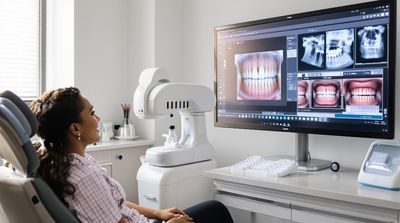
The orthodontist will assess your teeth and jaw alignment to determine if you're a good candidate for Invisalign clear aligners. This initial appointment typically includes X-rays, which cost between $60 and $120, and a 3D intraoral scan priced at $150 to $300.
The digital scan creates a precise model of your teeth. Your dentist uses advanced ClinCheck software to map out exactly how your teeth will move throughout treatment. This technology allows you to see how you can share your perfect smile with friends before you even begin.
The visual treatment plan shows the expected position of your teeth at each stage. This transparency helps you understand exactly what results to expect and how long the process will take.
Step 2: Wearing Your Custom Invisalign Clear Aligners
Once your custom aligner trays arrive, the active treatment phase begins.
You must wear your Invisalign aligners for at least 22 hours daily to achieve optimal results. This means you only remove them for eating, drinking anything other than water, and cleaning your teeth.
Each set of removable aligners is worn for one to two weeks before switching to the next set in your series. The treatment duration averages 9 to 12 months but can range from 3 to 18 months depending on how much movement your teeth require.
Complex cases naturally take longer than minor adjustments. Your orthodontist will provide a clear timeline during your initial consultation.
Step 3: Follow-Up Visits and Post-Treatment Care
Regular monitoring ensures your treatment stays on track.
You'll need check-ups with your orthodontist every four to six weeks. These appointments verify that your teeth are moving according to plan and address any concerns.

Many dental clinics catering to international patients offer remote monitoring options. This technology reduces the number of return trips required, making treatment more convenient for those traveling from other countries.
After completing your Invisalign treatment, you'll transition to wearing retainers. These devices are essential for maintaining your newly straightened teeth and preventing them from shifting back to their original positions. You can learn more about what to expect when getting Invisalign attachments during your treatment journey.
Invisalign vs. Traditional Braces: Which Orthodontics Treatment is Right for You?
Choosing between clear aligners and metal braces depends on your specific needs and lifestyle preferences.
Key Benefits of Invisalign Clear Aligners
Invisalign offers several advantages over traditional metal braces.
The aligners are made from transparent SmartTrack material, making them virtually invisible when worn. Most people won't even notice you're undergoing orthodontic treatment unless you tell them.
Comfort is another major advantage. Without metal wires or brackets, Invisalign provides a smoother experience with less irritation to your cheeks and gums. There are no sharp edges or protruding wires to cause discomfort.
The removable nature of these clear aligners provides unmatched convenience. You can eat and drink whatever you want without dietary restrictions. Brushing and flossing remain simple since you remove the aligners for cleaning.
Are You a Good Candidate for Invisalign?
Invisalign successfully addresses many common orthodontic issues.
The system works well for gapped teeth, crowding, overbite, underbite, and crossbite conditions. Most patients with mild to moderate alignment issues are excellent candidates for this type of braces.
However, severe bite issues or complex cases requiring significant tooth movement may still need traditional braces or ceramic braces for the best outcome. Your orthodontist will assess whether Invisalign can achieve your desired results during the initial consultation.
You must have healthy teeth and gums before starting any orthodontic treatment. Cavities need filling and gum disease requires treatment before you can get invisible braces.
How to Find the Best Certified Invisalign Provider in Mexico
Selecting the right dental clinic is the most important decision in your treatment journey.
Verify Clinic Credentials and Technology
Start by confirming that your dentist is an officially certified Invisalign provider.
This certification guarantees they use authentic Invisalign materials and follow approved treatment protocols. Only certified providers have access to the proprietary software and aligners manufactured by Align Technology.
Modern technology is non-negotiable. Top clinics use 3D intraoral scanners and digital imaging systems. These tools are essential for creating accurate treatment plans and ensuring precise results.
Check Invisalign Reviews and Patient Testimonials
Real patient experiences provide valuable insight into what you can expect.
Read recent reviews on independent platforms to gauge satisfaction with the clinic's communication, professionalism, and results. Pay attention to comments about the dentist's expertise, staff friendliness, and overall treatment experience.
Ask to see before-and-after photos of previous Invisalign cases. A portfolio of successful treatments demonstrates the orthodontist's skill and experience with clear aligner therapy.
Inquire About Warranties and Follow-Up Care
Protection and ongoing support matter after your dental treatment concludes.
Reputable clinics typically offer warranties of one to five years on their orthodontic work. These guarantees provide peace of mind and protection for your investment.
Ask how the clinic handles follow-up care for international patients. Some partner with U.S. dentists for local check-ups, while others provide remote consultation services. Understanding the continuity of care plan helps you avoid surprises down the road.
Frequently Asked Questions
How many trips to Mexico will I need for Invisalign?
Most patients need two to three trips. The first visit covers consultation, scans, and treatment planning. Subsequent visits occur every six to eight weeks for progress checks, though many clinics now offer remote monitoring to reduce travel.
Can I continue treatment back home if I move?
Yes, most orthodontists can transfer your case. Invisalign is a standardized system worldwide. Bring your treatment plan and remaining aligners to a new provider, though transfer fees may apply.
Is Invisalign in Mexico really the same quality as in the US?
Absolutely. Certified dentistry providers use identical Invisalign products manufactured by Align Technology. The aligners, software, and materials are the same regardless of where you receive treatment.
What if I have problems with my aligners after returning home?
Most reputable clinics offer remote support and will ship replacement aligner braces if needed. Some also partner with U.S. dentists for local emergency care. Confirm these policies before starting treatment.
Does dental insurance cover Invisalign in Mexico?
Many U.S. insurance plans provide partial coverage for orthodontic treatment regardless of location. Submit itemized receipts to your insurance company for potential reimbursement, though coverage varies by policy.